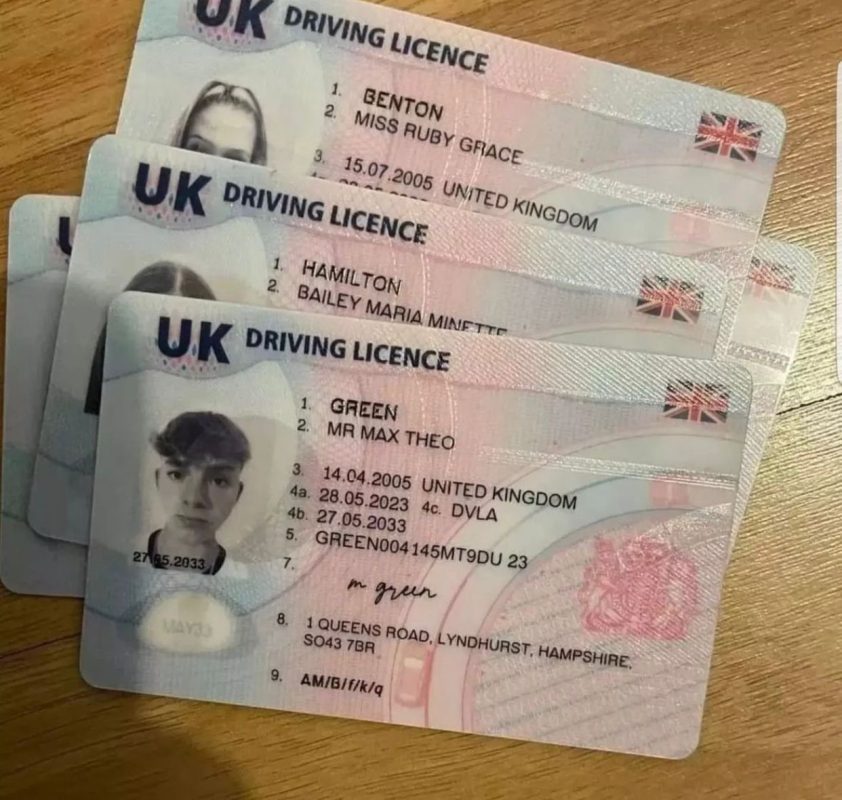
The Reasons To Focus On Improving Uk Driving Licence


Understanding the UK Driving Licence: A Comprehensive Guide
The UK driving licence is an essential document for those wanting to run a motor automobile on public roads. It not just functions as proof of identity but likewise symbolizes that the holder has actually satisfied the legal requirements and standards needed for safe driving. This short article dives into the various elements of acquiring, keeping, and understanding a UK driving licence, as well as addressing common questions and issues.
Types of UK Driving Licences
The UK driving licence comes in various categories based upon the type of automobile one wishes to operate. Understanding these classifications is essential for anybody planning to get behind the wheel. Here are the primary kinds of licences offered:
- Provisional Licence: Upon turning 17, individuals can apply for a provisionary licence, allowing them to practice driving under particular conditions.
- Complete Licence: After effectively passing the driving test, drivers are granted a full UK driving licence, permitting them to drive independently.
- Special Licences: These licences accommodate particular lorry types or conditions, including:
- Motorcycle Licences: For riders of motorbikes, divided into categories like A1, A2, and A, depending on engine size and power.
- Industrial Licences: For people driving automobiles for hire or reward, consisting of buses and heavy goods cars (HGVs).
Acquiring a UK Driving Licence
Obtaining a UK driving licence includes a structured process created to ensure that all drivers have the essential abilities and knowledge. Here's a detailed breakdown:
Step 1: Applying for a Provisional Licence
- Eligibility: Applicants should be at least 17 years old.
- Documents Needed: Proof of identity, such as a passport or nationwide ID, and a current passport-sized photograph.
- Application: Applications can be submitted online through the DVLA (Driver and Vehicle Licensing Agency) site or by post.
Action 2: Theory Test
When the provisionary licence is obtained, the next action is to take the theory test.
- Structure: The theory test comprises 2 parts: multiple-choice questions and a danger perception section.
- Preparation: Numerous resources, including books and online platforms, are offered for research study.
Step 3: Practical Driving Lessons
After passing the theory test, drivers can begin taking practical driving lessons.
- Trainer Selection: Choosing a qualified driving instructor is vital for efficient knowing.
- Practice: Driving with a provisional licence allows learners to experiment a qualified driver accompanying them.
Step 4: Driving Test
- Scheduling: Once positive in their abilities, students can reserve a practical driving test.
- Assessment: The test consists of an eye test, various driving maneuvers, and an assessment of road security.
Step 5: Receiving the Full Licence
Upon passing the practical test, brand-new drivers get a complete UK driving licence, although they will be on a probationary period for the first 2 years. Throughout Clare Arton , any severe driving offences can lead to the loss of the licence.
Maintaining Your UK Driving Licence
Owning a driving licence likewise features obligations. It is important to keep the licence as much as date and follow the policies set by the DVLA. Here are a few key upkeep points:
- Renewal: Driving licences need to be restored every 10 years. For those over 70, renewal is needed every three years.
- Address Changes: Any modification in the holder's address or name should be reported to the DVLA to ensure that records are present.
- Medical Conditions: Drivers are required to inform the DVLA of any medical conditions that might affect their ability to drive securely.
- Penalty Points: Accumulating 12 or more penalty points within 3 years can result in disqualification from driving.
Frequently asked questions About the UK Driving Licence
What is a driving licence number?
A driving licence number is a special identifier assigned to each driver. It consists of personal details, consisting of initials, the date of birth, and a distinct serial number.
Can I drive with a foreign driving licence in the UK?
Yes, visitors can drive in the UK with a foreign licence for up to 12 months. However, after this period, they must acquire a UK driving licence.
What do I do if I've lost my driving licence?
If a driving licence is lost or stolen, it can be replaced by getting a brand-new one through the DVLA website, which normally includes a little fee.
Can I drive a car with an ended driving licence?
No, driving with an expired licence is unlawful. It's vital to restore your driving licence before its expiry to remain compliant with the law.
How can I check the status of my driving licence?
Drivers can inspect their driving licence status online at the DVLA site. This includes information about recommendations, expiry dates, and privileges.
The UK driving licence system is created to guarantee roadway safety while supplying a framework for drivers to operate cars legally. By comprehending the numerous types of licences, the application process, and the obligations that accompany holding a driving licence, individuals can end up being more educated drivers. With the right preparation and care, navigating the roadways of the UK can be a safe and enjoyable experience for all.